
1 avril 2026 · 6 min read
Maximize Returns with Strategic Container Asset Solutions
Par Rio Verde Containers
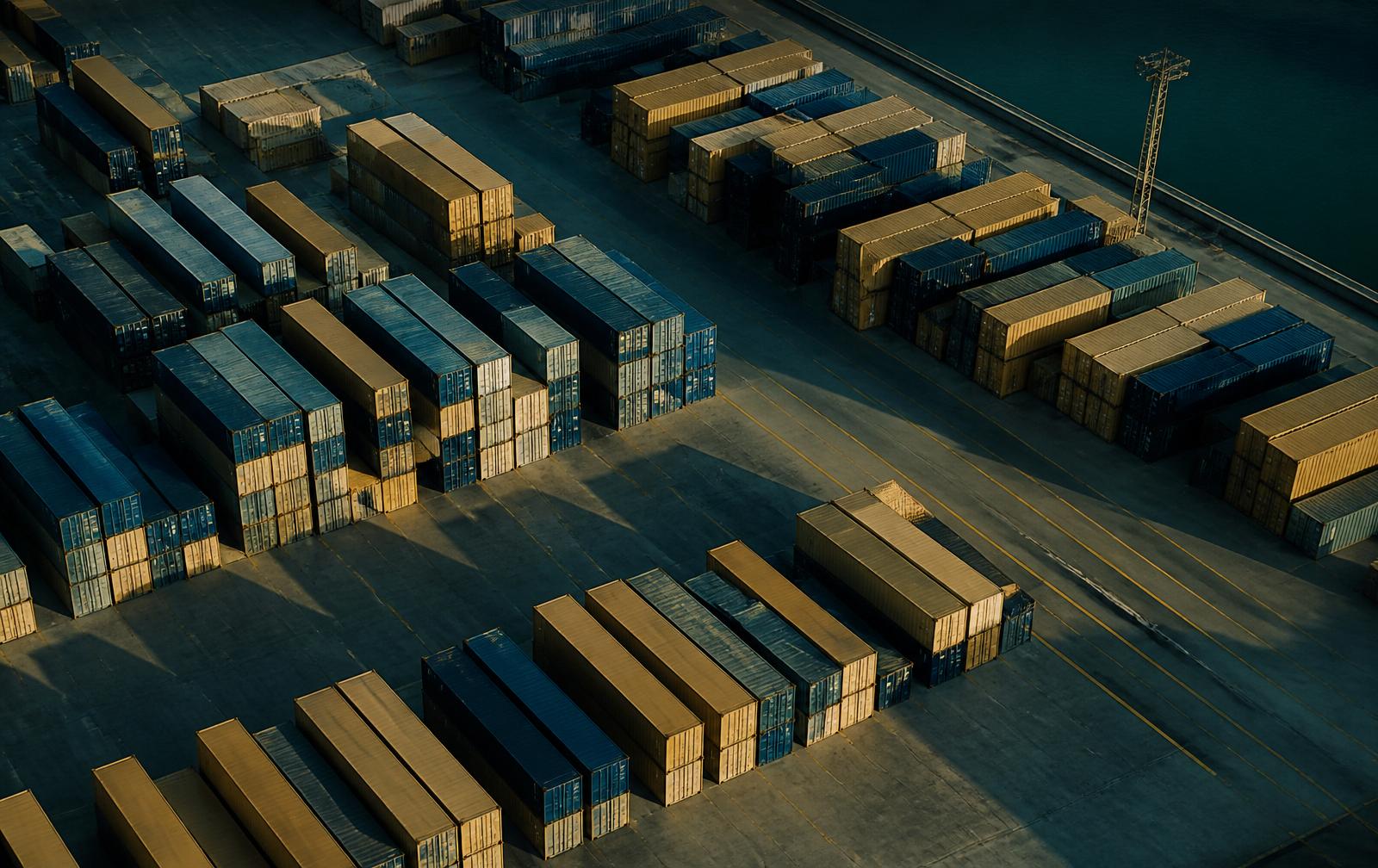
Most businesses treat containers as a cost line. Treated as a managed asset class — with a view on utilisation, residual value and redeployment — the same steel generates measurably better returns.
Containers sit in an unusual position on the balance sheet. They are cheap enough to be bought casually, durable enough to last twenty-five years, and liquid enough to be sold almost anywhere on earth. That combination makes them one of the few operational assets where a modest amount of active management produces a disproportionate return — and one of the most commonly neglected.
Own, lease or hybrid
The first decision is the one that sets everything else. Leasing converts capital expenditure into a predictable operating cost and transfers residual value risk to the lessor. Ownership costs more up front and returns that residual value to you, along with the freedom to modify, relocate and sell on your own schedule.
- Lease — demand under twelve months, uncertain volumes, or locations you may exit
- Own — stable baseline demand, multi-year horizons, or any unit you intend to modify
- Hybrid — own the baseline fleet, lease the seasonal peak; usually the lowest total cost
The hybrid structure is underused. Most operations have a demand curve with a flat base and a seasonal spike. Sizing owned fleet to the base and covering the spike with short-term leases avoids both the idle capital of over-owning and the premium pricing of leasing everything.
Utilisation is the number that matters
A container earning nothing still costs storage, still accrues corrosion, and still consumes capital. Utilisation — the share of your fleet actively doing work — is the single most predictive metric of whether a container strategy is working, and most operators do not measure it.
Fleets that measure utilisation monthly consistently run leaner than fleets that measure it never. The measurement itself changes the behaviour.
Below roughly sixty percent sustained utilisation, ownership is usually the wrong structure and the fleet should be trimmed. Above ninety, you are almost certainly paying premium rates for emergency capacity and should buy into the baseline.
Protect the residual
A well-maintained container retains a meaningful share of its purchase price after a decade. A neglected one becomes scrap on a much shorter timeline, and the difference between the two paths costs almost nothing to influence.
- Site units on level, drained ground — standing water at the rails is the primary killer
- Treat surface corrosion early, before it reaches the corner posts and cross members
- Keep door seals and locking gear serviced; a failed seal ruins the contents and the interior
- Ventilate to control condensation, particularly in humid or high-swing climates
- Keep CSC plating and inspection records intact if international resale is possible
Plan the exit at the point of purchase
The most valuable habit in container asset management is deciding, at the moment of purchase, how the unit leaves the fleet. Units bought to be sold on stay standard, keep their certification, and remain attractive to the widest pool of buyers. Units bought to be consumed can be modified freely because their residual is already written off.
Mixing those two intentions in one fleet is what produces yards full of heavily customised boxes that nobody wants to buy. Segment deliberately and the disposal side of the ledger stops being a write-off and starts being a recovery.
How Rio Verde supports fleet owners
We supply, buy back, reposition and trade containers across global markets, which means we can sit on both sides of the lifecycle — sourcing the right grade into your fleet and taking units back out of it when the strategy says it is time. If you are sizing a fleet, reviewing utilisation, or planning a disposal cycle, we are happy to be a sounding board before you commit capital.
Besoin de conteneurs, pas de théorie ?
Indiquez-nous la taille, l'état et la destination, et nous reviendrons vers vous avec la disponibilité et un prix.